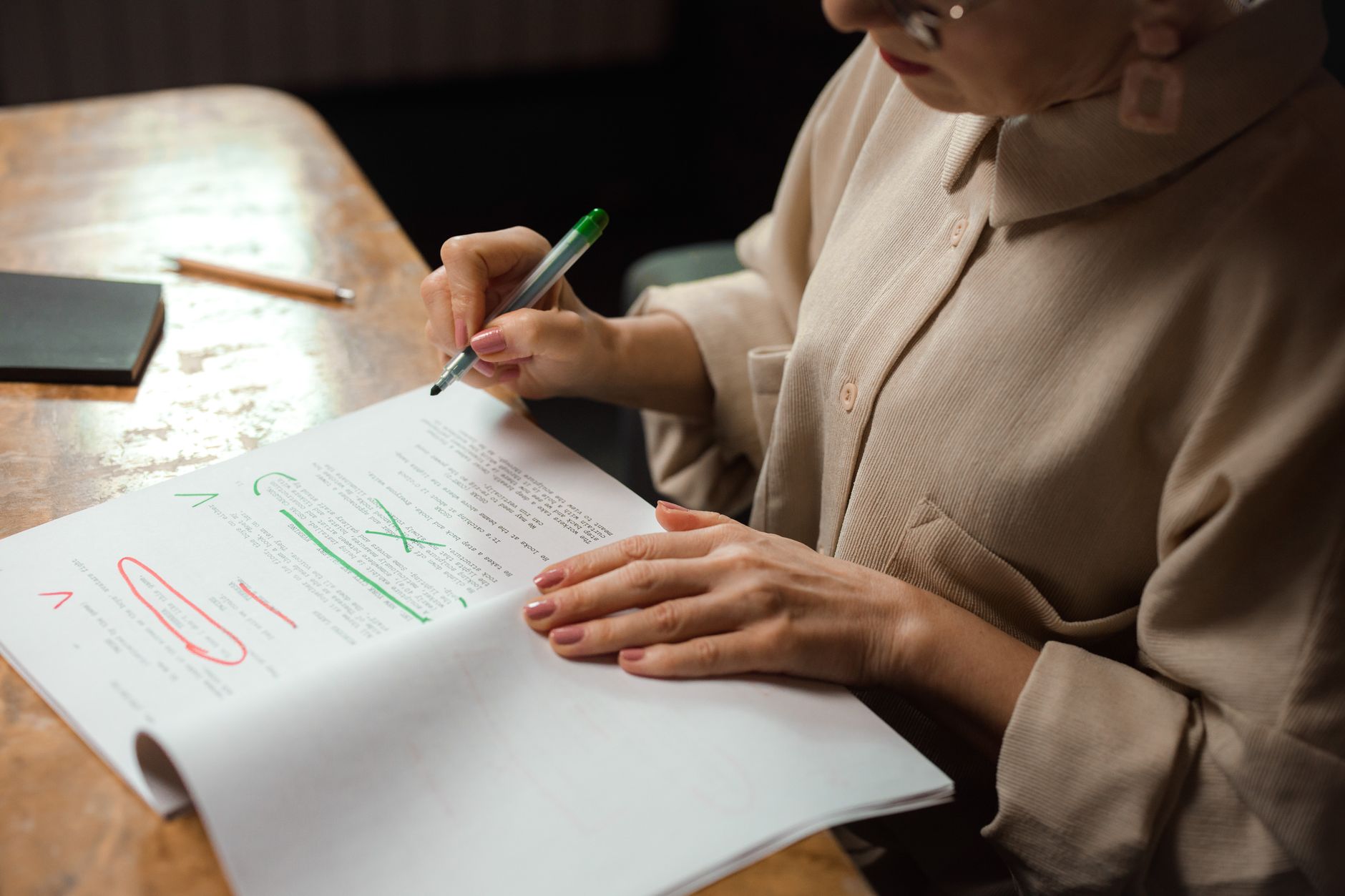
Every AI writing tool promises clean copy, but almost none catch their own mistakes. A missing article, a shifted verb tense, or a clunky transition can make a product description feel off. That matters when you publish hundreds of AI-assisted pages each month. Grammar checkers now do more than fix commas. They enforce style rules, flag tone problems, and suggest rewrites. This guide is for people who use AI drafts and need a reliable final editor. We tested the tools on the same messy 2,000 word draft and watched where each one struggled. For help improving the underlying copy, see our AI prompts for product descriptions that convert.
Methodology matters because grammar checkers are easy to demo and hard to judge over time. We fed each tool the same document containing 40 grammar errors, 25 style issues, and 10 tone inconsistencies. We counted how many errors each caught, how many false positives they introduced, and how long it took to run a full review. We also compared free tier limits because that is where most users start. On G2, user reviews show Grammarly is the market leader by volume, but volume does not always mean quality for your specific use case. ProWritingAid and LanguageTool both hold strong ratings among writers who specialize in long-form content.
2026 is not 2024. Grammar checking has shifted from error correction to style and tone management. Many AI drafts now come out grammatically clean but still sound flat. A checker that only fixes punctuation misses the problem. The best tools now detect hedging, overuse of passive voice, and vague phrasing. They also give you a tone score before you send an email to an annoyed client. That broader role matters for anyone using AI to scale content. If your drafts feel robotic despite being grammatically correct, read why AI writing sounds robotic and how to fix it before you blame the grammar tool.
Price is the filter most buyers apply first. Free tiers are not equal. Grammarly gives you basic grammar and spelling but limits AI rewrites. ProWritingAid’s free version stops at 500 words per check, which makes it nearly useless for a full chapter. LanguageTool is more generous on characters but pushes hard for Premium. Wordtune’s free tier is small but useful for quick rephrasing. If you need a no-cost option, check our list of the best free AI writing tools. Otherwise, the paid tools below are worth the cost if they match how you actually write.
How Do the Top Options Compare?
| Tool | Best For | Free Tier Limits | Starting Price | Standout Weakness |
|---|---|---|---|---|
| Grammarly | Everyday business writing | Basic grammar, 100 AI prompt credits/month | $12/month billed annually | Aggressive upgrade prompts |
| ProWritingAid | Long-form, academic, and fiction | 500 words per check | $30/year Premium | Cluttered, slower interface |
| LanguageTool | Multilingual and privacy-focused teams | 10,000 characters per check | $4.99/month billed annually | Thin style guidance |
| Wordtune | Rephrasing and sentence flow | 10 rewrites per day | $9.99/month billed annually | No deep grammar reports |
Pricing reflects 2026 annual billing in USD. Free tier limits may change after updates. All tools offer a premium or business tier with additional features.
1. Grammarly , Best for everyday business writing and browser corrections
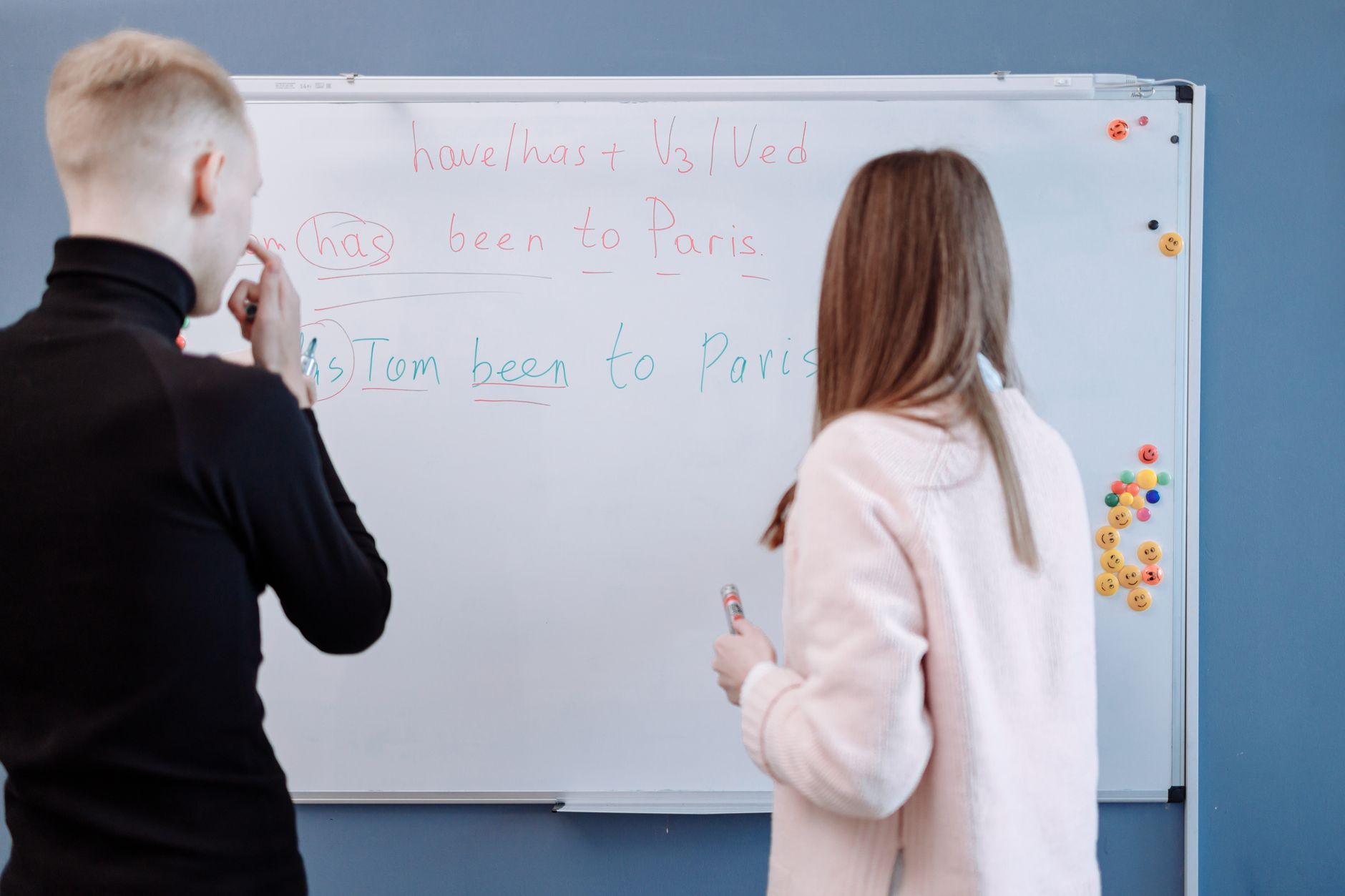
Grammarly remains the default because it works where you write. The browser extension, Google Docs integration, and desktop app cover email, Slack, LinkedIn, and most content management systems. Its suggestions appear inline, so you do not have to copy text into a separate editor. Grammarly’s free tier still catches basic spelling, grammar, and punctuation mistakes. The paid plan adds tone detection, clarity rewrites, and a limited set of AI prompt credits for full sentence rewrites. According to G2, Grammarly holds a 4.7 rating across more than 60,000 reviews. That volume gives you a good sense of overall reliability, but not whether it fits your exact style.
The strength is immediacy. You type, it flags, you fix. For people who write dozens of short messages a day, no other tool comes close. The weakness is that Grammarly’s style advice can flatten voice. It nudges you toward safe, corporate-sounding sentences. If you rely on it too heavily, your drafts start to sound the same. To keep your tone intact, pair it with our guide on best AI writing tools for brand voice.
Key strengths:
- ✅ Catches most grammar, punctuation, and spelling errors with low false positive rate.
- ✅ Works across browser, Google Docs, desktop, and mobile.
- ✅ Tone detector helps you avoid sending overly blunt messages.
- ✅ Business plan includes style guide and analytical dashboard.
- ❌ Premium plan can aggressively push upgrades and add-on purchases.
- ❌ Style suggestions often push toward generic corporate phrasing.
- ❌ AI rewrite credits on free and lower paid tiers feel limited.
Who it’s for: Choose Grammarly if you need an always-on grammar tool inside your browser and everyday writing apps.
2. ProWritingAid , Best for long-form, academic, and fiction writers

ProWritingAid is not a quick fix. It is a deep style coach. The tool scans your document and produces more than 20 reports on readability, sentence structure, repeated words, passive voice, pacing, dialogue, and diction. A novelist can run a chapter and see where the rhythm stalls. An academic writer can locate vague transitions and overused phrases. The free tier caps you at 500 words per check, which stops being useful fast. Premium costs about $30 per year on sale, making it the cheapest serious grammar checker in this group. On Capterra, long-form writers praise the reports but complain about cluttered menus.
The trade off is speed and polish. The web app feels busy, and a full report on a 3,000 word document takes longer than Grammarly’s quick pass. ProWritingAid also makes more false positives. It will flag stylistic preferences as if they were errors. If you know your craft, you can dismiss those. If you want a simple pass, it feels noisy. However, for writers who treat grammar as part of style, this is the best value. It also pairs well with our article on AI writing lacks human touch and how to fix it.
Key strengths:
- ✅ Deep style reports cover pacing, echoes, dialogue, and readability.
- ✅ Very low annual price for Premium.
- ✅ Strong for fiction, academic, and long-form nonfiction writers.
- ✅ Works with Scrivener, Word, and Google Docs.
- ❌ Interface feels cluttered and can be slow on long documents.
- ❌ More false positives than Grammarly on style suggestions.
- ❌ Free tier is nearly useless at 500 words per check.
Who it’s for: Choose ProWritingAid if you write long documents and want detailed style feedback, not just grammar fixes.
3. LanguageTool , Best for multilingual grammar checking
LanguageTool started as an open-source grammar checker and still stands out for language coverage. It checks more than 30 languages, which makes it far more useful than Grammarly for bilingual teams. The free tier allows 10,000 characters per check, enough for a short article. Premium adds advanced punctuation, style suggestions, and a personal dictionary. It also offers a self-hosted option for privacy-sensitive companies. On-screen suggestions are direct and fairly easy to understand. The interface is less polished than Grammarly but faster than ProWritingAid.
The main gap is style intelligence. LanguageTool catches grammar and spelling well across languages, but its rephrasing suggestions are thinner. It will not tell you that a paragraph sounds robotic or that your tone is too passive. For multilingual accuracy, it is excellent. For English-only style work, it trails Grammarly and ProWritingAid. LanguageTool works best as the grammar layer in a workflow, not as a full writing coach.
Key strengths:
- ✅ Checks more than 30 languages with strong grammar rules.
- ✅ Generous free character limit per check.
- ✅ Self-hosted option works for privacy and compliance teams.
- ✅ Lower price than Grammarly Premium.
- ❌ Style and tone suggestions are limited for English.
- ❌ Plugins can feel less integrated than Grammarly’s.
- ❌ Premium features vary by language.
Who it’s for: Choose LanguageTool if you write in multiple languages or need a privacy-friendly self-hosted grammar layer.
4. Wordtune , Best for sentence rephrasing and flow
Wordtune is not a traditional proofreader. It is a rephrasing engine. You highlight a sentence and it gives you several alternative ways to say it. The free tier gives 10 rewrites per day, which is enough for a social post or a short email. Paid plans add tone controls, sentence shortening, and a Summarizer. Wordtune shines when your grammar is already correct but the sentence feels awkward. It finds the clunky phrase and offers a punchier version.
The downside is that Wordtune misses detailed grammar reports. It will catch some mistakes, but it does not scan for subject-verb agreement across a long document. Use it as a final polish layer on top of a real grammar checker. If your sentences are grammatically fine but still fall flat, Wordtune is the fastest way to test alternative phrasing.
Key strengths:
- ✅ Fast rephrasing for awkward sentences.
- ✅ Free daily rewrites are enough for short emails and posts.
- ✅ Tone controls let you tune the level of formality.
- ❌ No deep grammar or style report.
- ❌ Daily limits quickly fade on longer writing days.
- ❌ Less useful if your grammar itself is weak.
Who it’s for: Choose Wordtune if your grammar is fine but your sentences need flow and punch.
Frequently Asked Questions
What is the best AI grammar checker in 2026?
Grammarly is the best all-round AI grammar checker for most people. ProWritingAid is better for long-form style work, while LanguageTool wins for multilingual teams and Wordtune for rephrasing.
Can I use a free grammar checker instead of paying?
Yes, for basic corrections. Grammarly’s free tier catches spelling and grammar, but advanced tone and AI rewrite features sit behind the paid plan. ProWritingAid’s free limit is too small for long documents.
Does ProWritingAid work better than Grammarly for fiction?
Usually yes. ProWritingAid offers pacing, dialogue, repeated word, and readability reports that Grammarly does not match. Grammarly is faster for everyday errors but shallower for creative style.
Is LanguageTool good for non-English grammar checks?
Yes. LanguageTool supports more than 30 languages and is generally stronger than Grammarly outside English. Its paid version adds style suggestions, but English tone help still trails Grammarly.
Do these tools work with Google Docs?
All four offer some Google Docs integration. Grammarly’s is the most polished, ProWritingAid’s is functional but slower, and Wordtune works through a browser extension.
What Should You Remember?
- Best overall: Grammarly wins for everyday grammar and browser-wide corrections.
- Best budget for long form: ProWritingAid delivers deep style reports at roughly $30 per year.
- Best multilingual pick: LanguageTool checks more than 30 languages and offers a self-hosted option.
- Best for flow: Wordtune excels at rephrasing awkward sentences, not full grammar audits.
- Free tiers vary: Grammarly and LanguageTool are usable free, but ProWritingAid is not for long drafts.
- Avoid over-polishing: Too much reliance on style suggestions can flatten your voice.
This article is for general information only. AI tool capabilities, pricing, and features change frequently , always verify current details on the vendor’s own site. Some links may be affiliate links that support this site at no cost to you.